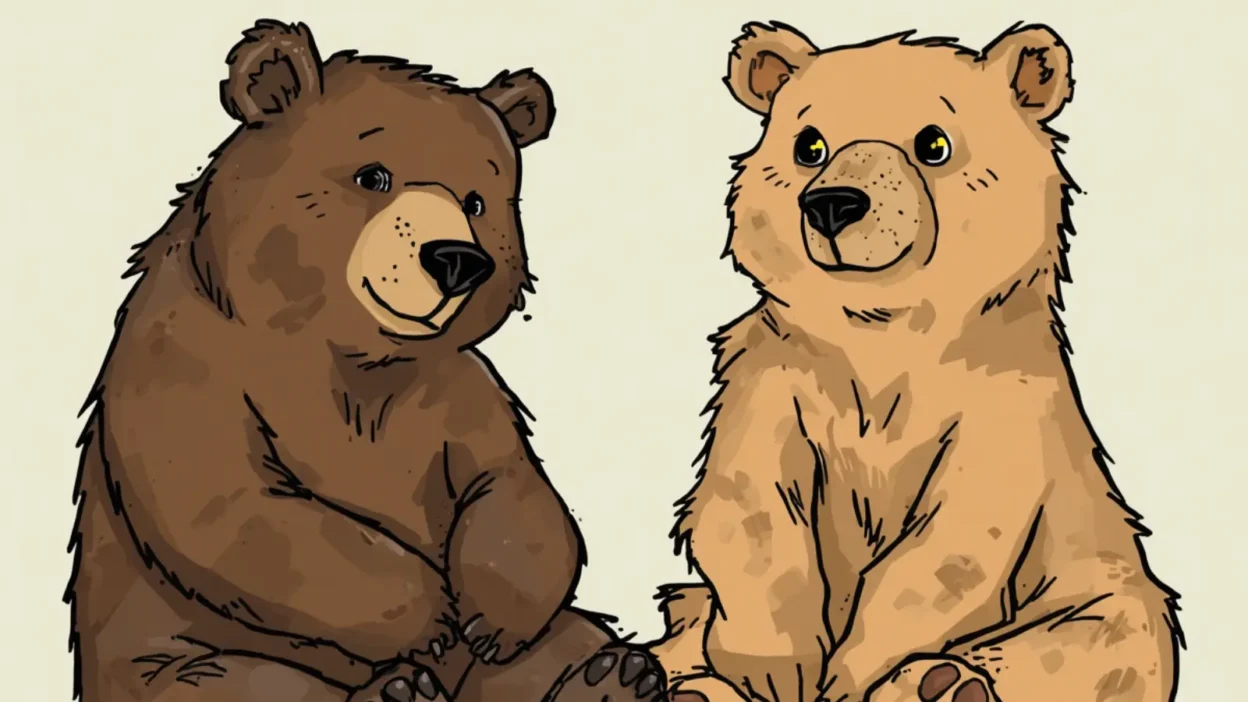
The confusion between bear vs bare is one of the most common writing mistakes in English. These words sound exactly the same, but their meanings are completely different.
In writing, mixing them up can change the meaning of a sentence or make it sound incorrect. This guide breaks down both words in a simple way so you always know which one to use.
2. Quick Answer
- bear = to carry, endure, tolerate, or refer to the animal
- bare = uncovered, exposed, or minimal
They are homophones, meaning they sound the same but are not interchangeable.
In simple terms:
- You bear a burden.
- You go bare feet.
3. Why People Confuse Them
People confuse bear and bare because they sound identical when spoken. In fast typing or texting, your brain often chooses the wrong spelling.
Another reason is that both words are short and visually similar, making mistakes easy even for fluent writers.
The confusion is not about meaning—it’s purely about spelling and pronunciation overlap.
4. Key Differences At A Glance
| Context | Best Choice | Why |
|---|---|---|
| Carrying or enduring something | bear | It means to تحمل, support, or handle |
| Describing something uncovered | bare | It means exposed or without covering |
| Talking about animals | bear | Refers to the animal species |
| Talking about minimal state | bare | Means empty or basic |
Feature Comparison
| Feature | bear | bare |
|---|---|---|
| Part of speech | verb / noun | adjective / verb |
| Core meaning | carry, endure, animal | uncovered, exposed |
| Usage type | action or entity | condition or appearance |
5. Meaning and Usage Difference
bear has multiple roles. As a verb, it means to carry or tolerate something difficult. It can also mean producing or supporting something. As a noun, it refers to the large wild animal.
Examples:
- I can’t bear the noise anymore.
- The forest bear walked across the road.
bare usually describes something exposed or not covered. It can also be used as a verb meaning “to reveal.”
Examples:
- The branches are bare in winter.
- He bared his teeth when angry.
6. Tone, Context, and Formality
Both words are used in everyday English, but the context is very different.
- bear often appears in emotional or serious contexts like responsibility, pain, or effort.
- bare is more visual and descriptive, often used for physical conditions.
Examples:
- She can bear the pressure at work.
- He walked on bare ground after removing his shoes.
7. Which One Should You Use?
Use this simple rule:
- If you mean endure, carry, or animal → bear
- If you mean exposed or uncovered → bare
Think of it this way:
- “Can I bear this situation?”
- “Is it bare or covered?”
8. When One Choice Sounds Wrong
Using the wrong word can make a sentence confusing.
Wrong:
- I can’t bare the pain.
Correct:
- I can’t bear the pain.
Wrong:
- The tree is bear in winter.
Correct:
- The tree is bare in winter.
The meaning changes completely when swapped.
9. Common Mistakes (and Quick Fixes)
- Mistake: Using “bare” instead of “bear” in emotional sentences
Fix: If it involves feeling or endurance, use bear - Mistake: Spelling errors in fast typing
Fix: Slow down and check meaning, not just sound - Mistake: Thinking they are interchangeable
Fix: Remember they belong to different meanings entirely
10. Everyday Examples
- I can’t bear loud music while studying.
- She can bear responsibility very well.
- The floor was completely bare after cleaning.
- He stood there with bare hands in the cold.
- The tree looked bare in the winter season.
- I will bear with you while you finish the task.
11. Dictionary-Style Word Details
Verb
- bear: to carry, tolerate, endure
- bare: to uncover or expose (less common usage)
Noun
- bear: a large wild animal
- bare: not commonly used as a noun
Synonyms
- bear: carry, endure, support
- bare: naked, exposed, uncovered
Example Sentences
- bear: I can’t bear the heat today.
- bare: The room was bare after moving out.
Word History
- bear: Comes from Old English, originally meaning to carry or produce, later also used for the animal.
- bare: From Old English meaning uncovered or exposed.
Phrases Containing
- bear: bear with me, bear responsibility, bear fruit
- bare: bare minimum, bare hands, bare essentials
If you often mix up similar-sounding English words, you may also want to read our guide on Stationary vs Stationery: What’s the Difference? to avoid another common spelling mistake.
FAQ: Bear vs Bare
1. What is the main difference between bear and bare?
bear means to carry, endure, or refers to an animal. bare means uncovered or exposed. They sound the same but have completely different meanings.
2. Are bear and bare homophones?
Yes. bear and bare are homophones, meaning they are pronounced the same but spelled differently and have different meanings.
3. When should I use “bear” in a sentence?
Use bear when talking about:
- enduring something (pain, stress, responsibility)
- carrying or supporting something
- the animal (a bear in the forest)
Example: I can’t bear the noise.
4. When should I use “bare” in a sentence?
Use bare when describing something:
- uncovered or exposed
- minimal or empty
Example: The room was completely bare after moving out.
5. Is “bear” a verb or noun?
bear can be both:
- Verb: to carry or endure
- Noun: the animal (a bear)
6. Is “bare” a verb or adjective?
bare is mainly:
- Adjective: uncovered or exposed
- Verb (less common): to uncover or reveal
7. Why do people confuse bear and bare?
They are pronounced exactly the same, so people often mix them up when writing quickly or relying on sound instead of meaning.
8. What is an easy way to remember bear vs bare?
- bear = carry or endure
- bare = bare skin (uncovered)
Think: bear the burden, bare the skin.
9. Can bear and bare ever be interchangeable?
No. They are not interchangeable in any context because their meanings are completely different.
10. What is a simple example showing both?
- I can’t bear the cold.
- My hands are bare in winter.
12. Conclusion
The difference between bear vs bare is simple once you separate meaning from sound. One is about carrying or animals, the other is about being uncovered.
Remember the core rule: bear for actions and endurance, bare for exposure. Once you lock that in, the confusion disappears in everyday writing.